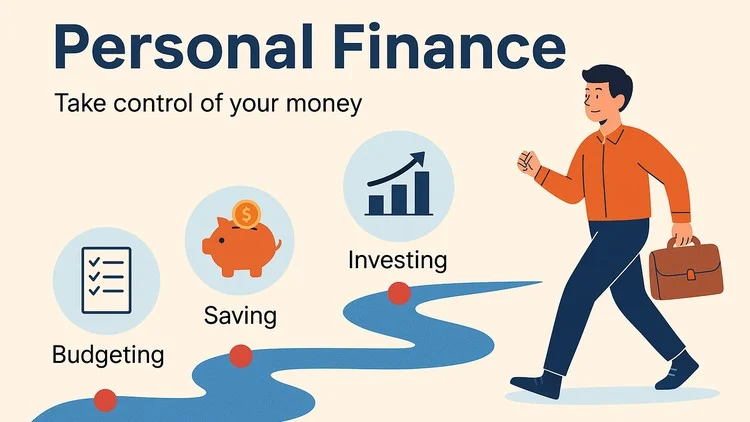
Most people know they should have a budget, yet many avoid it because they believe budgeting means restriction, stress, or constant sacrifice. In reality, a good budget does the opposite—it creates control, stability, and freedom. A realistic budget is not about perfection. It is about building a system that works with your real life, not against it.
This article shows you how to build a practical budget you can actually follow without feeling trapped.
Why Most Budgets Fail
Budgets usually fail for three main reasons:
-
They are too strict
-
They ignore real spending habits
-
They don’t allow flexibility
When people create unrealistic spending rules, they often give up completely after the first mistake. A successful budget is not rigid—it is adaptive and honest.
Step One: Know Your True Income
Your budget starts with your actual take-home income, not your gross salary. This is the money that actually reaches your bank account after taxes, deductions, and benefits.
If your income changes month to month, use:
-
An average of the last 6 months
-
Or your lowest reliable income month
Budgeting based on unstable income creates stress and failure. Conservative numbers create safety.
Step Two: List All Fixed Expenses
Fixed expenses are bills that stay mostly the same every month. These include:
-
Rent or mortgage
-
Utilities
-
Insurance
-
Internet and phone
-
Minimum debt payments
-
Subscriptions
These are your non-negotiables. Your budget must handle these before anything else.
Step Three: Track Variable Spending
Variable expenses change month to month and often cause budgeting problems. These include:
-
Food
-
Transportation
-
Entertainment
-
Clothing
-
Personal shopping
-
Dining out
Instead of guessing, track at least one full month of spending. This reveals where your money truly goes—not where you think it goes.
Step Four: Assign Every Dollar a Job
A powerful budgeting rule is simple: every dollar needs a purpose. Your income should be assigned to:
-
Fixed expenses
-
Variable living expenses
-
Savings
-
Debt payments
-
Personal enjoyment
This does not mean spending every dollar—it means deciding whether each dollar is for spending or saving. Unassigned money is often what disappears.
Step Five: Pay Yourself First
Waiting to save “what’s left” rarely works. A strong budget treats savings as a fixed bill.
Saving first protects you from:
-
Unexpected emergencies
-
Credit card dependence
-
Financial panic
-
Long-term instability
Even small automatic savings create momentum and long-term success.
Step Six: Build in Guilt-Free Spending
Budgets collapse when they leave no room for enjoyment. If your plan forbids all fun, it will not survive.
Smart budgets include:
-
Dining out
-
Entertainment
-
Hobbies
-
Small personal treats
The goal is control, not misery. Planned enjoyment prevents impulse spending and burnout.
Step Seven: Use Simple Tools, Not Complex Systems
You don’t need complex spreadsheets to succeed with budgeting. Many people stay consistent by using:
-
A basic notebook
-
Notes app on their phone
-
Simple budgeting apps
-
Monthly spending calendars
Consistency matters far more than technology.
How to Adjust When Life Changes
Life changes constantly—unexpected expenses, job changes, medical costs, family needs. A realistic budget adapts rather than collapses.
When disruptions happen:
-
Adjust spending categories
-
Temporarily pause saving if needed
-
Focus on essentials
-
Resume progress once stability returns
A budget is a living system, not a fixed contract.
The Difference Between Cheap and Intentional
Budgeting is often confused with being “cheap.” In reality, budgeting is about spending intentionally. It allows you to:
-
Spend confidently without guilt
-
Avoid impulse decisions
-
Say no to what doesn’t matter
-
Say yes to what truly matters
Intentional spending creates both freedom and peace of mind.
Why Budgeting Reduces Financial Anxiety
Many people feel constant money stress even with stable income. This stress usually comes from uncertainty, not lack of money. Budgeting replaces uncertainty with clarity.
You know:
-
What you can spend
-
What you must save
-
What your limits are
-
Where you stand each month
Clarity lowers anxiety more than income increases ever will.
Common Budgeting Mistakes to Avoid
Avoid these traps:
-
Forgetting irregular expenses
-
Ignoring annual bills
-
Underestimating food spending
-
Budgeting emotionally instead of realistically
-
Quitting after one bad month
Progress matters more than perfection.
Final Thoughts
A budget is not about control over your happiness—it is about control over your future. When your money has direction, your stress decreases and your confidence grows. A working budget is flexible, honest, and realistic. It matches your actual life, not an ideal version of it.