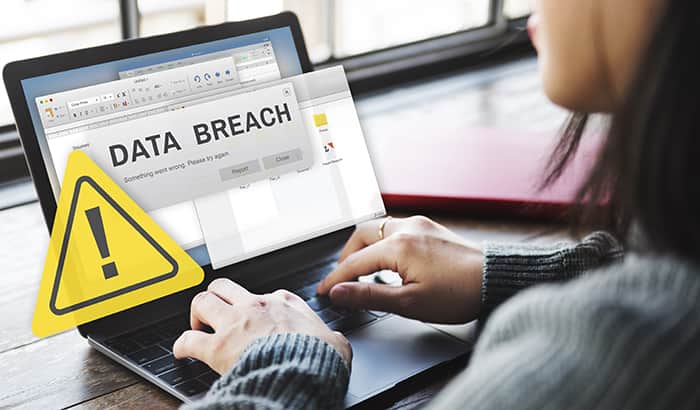
Even if you use strong passwords, avoid scams, and keep your devices secure, your personal data can still be exposed through something completely outside your control: a data breach. Every year, billions of personal records are leaked from companies, healthcare systems, retailers, banks, and online platforms. These breaches fuel identity theft, financial fraud, and long-term privacy damage.
Understanding how data breaches happen—and how to protect yourself after one—has become a critical part of modern digital security.
What Is a Data Breach?
A data breach occurs when unauthorized individuals gain access to sensitive information stored by an organization. This can include:
-
Full names
-
Email addresses
-
Phone numbers
-
Home addresses
-
Passwords
-
Credit card numbers
-
Bank account details
-
Social security or national ID numbers
-
Medical and insurance records
Once leaked, this information may be sold, traded, or reused in scams for years.
How Data Breaches Actually Happen
Contrary to popular belief, most data breaches do not come from advanced hackers breaking into fortified systems. Many breaches result from:
-
Weak security practices by companies
-
Unpatched system vulnerabilities
-
Stolen employee credentials
-
Phishing attacks on staff
-
Misconfigured cloud storage
-
Lost or stolen devices
-
Insider negligence or abuse
Often, companies don’t even realize a breach has occurred until months later—long after data has already been copied and distributed.
Why Stolen Data Is So Valuable
Your data has long-term value to criminals because it enables multiple types of fraud:
-
Identity theft and fake accounts
-
Bank and credit card fraud
-
Loan and tax fraud
-
Medical identity theft
-
Targeted scams and social engineering
-
Account takeovers using reused passwords
Even old data remains useful. A breach from years ago may still affect you today if your information continues to circulate.
The Hidden Dangers After a Breach
One of the greatest risks after a breach is delayed exploitation. Criminals may wait months before using stolen information, making it harder to connect the fraud back to the original breach.
Another danger is credential stuffing—when attackers use leaked usernames and passwords to automatically test logins across banking, social media, shopping, and email platforms. If you reuse passwords, a single breach can unlock your entire digital life.
How to Know If Your Data Has Been Exposed
Many people assume they’ll always be notified after a breach. In reality, notifications are often delayed—or never arrive at all. Signs that your data may have been compromised include:
-
Unusual login alerts
-
Password reset emails you did not request
-
Fraudulent charges
-
Loan or credit denials with no clear reason
-
New accounts appearing on your credit report
-
Increased scam messages using your real personal details
These are often secondary effects of leaked data.
What to Do Immediately After a Breach
If you learn that your data has been exposed, quick action can prevent serious damage:
-
Change affected passwords immediately
-
Update reused passwords everywhere else
-
Enable two-factor authentication on all major accounts
-
Monitor bank and credit activity closely
-
Place a fraud alert on your credit report
-
Be extremely cautious of follow-up scams using your leaked information
Criminals often launch new scams shortly after public breaches, pretending to be the affected company.
Why Privacy Is a Long-Term Security Issue
Many people treat privacy as a personal preference instead of a security necessity. In reality, oversharing information online multiplies the damage when a breach occurs. The more data that exists about you publicly, the easier it is for criminals to:
-
Bypass security questions
-
Create convincing impersonation scams
-
Trick customer service systems
-
Target you with personalized fraud
Privacy is not about hiding from the world—it is about limiting exposure to risk.
How to Reduce Your Long-Term Exposure
You cannot erase all digital traces, but you can dramatically reduce future risk:
-
Share less personal information on social media
-
Avoid unnecessary online accounts
-
Delete unused services and apps
-
Review privacy settings regularly
-
Opt out of data sharing when possible
-
Use separate emails for financial and public accounts
-
Avoid storing unnecessary personal data online
Digital minimalism is one of the strongest forms of security.
The Business Side of Your Personal Data
Most people do not realize how widely their information is distributed. Your data is constantly being:
-
Collected by apps and websites
-
Analyzed for marketing
-
Shared with third parties
-
Stored in massive databases
-
Resold through data brokers
The more places your information exists, the more breach points exist. You don’t need to be famous to have valuable data—you only need to be traceable.
Why Data Breaches Are a Financial Risk
Data breaches don’t just compromise privacy—they often lead directly to money loss. Victims face:
-
Stolen funds
-
Damaged credit
-
Legal disputes
-
Lost work time
-
Emotional stress
-
Years of identity monitoring
Many financial crimes begin months after the original breach, making prevention and monitoring essential.
Final Thoughts
Data breaches are no longer rare disasters—they are a recurring part of the digital world. While you cannot control how companies protect their systems, you can control how exposed your own digital life is before and after a breach.
Digital security is not about eliminating risk—it is about reducing the impact when risk becomes reality.
By protecting your privacy, guarding your accounts, and staying alert after data leaks, you transform yourself from an easy target into a hardened one.