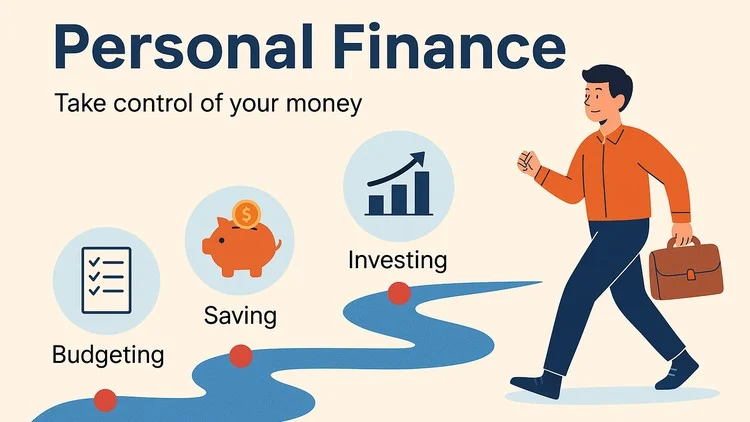
Investing is often misunderstood as something only for the wealthy or the financially gifted. In reality, investing is one of the most powerful tools available to everyday people for building long-term financial security. You don’t need to be a market expert or take extreme risks to become a successful investor. What you do need is education, patience, and a long-term mindset.
This article explains how investing works, why it matters, and how beginners can approach it safely and realistically.
The Difference Between Saving and Investing
Saving and investing serve two different purposes. Saving protects your money from loss during emergencies. Investing helps your money grow over time so you don’t fall behind inflation.
Saving is for:
-
Emergencies
-
Short-term goals
-
Stability
Investing is for:
-
Retirement
-
Long-term wealth
-
Future independence
A strong financial system uses both.
Why Investing Matters More Than You Think
Inflation quietly reduces the value of money every year. If your money only sits in a basic savings account, its purchasing power slowly shrinks. Investing allows your money to grow at a rate that outpaces inflation.
This means:
-
Your future money buys more than today’s money
-
Your retirement lifestyle is protected
-
You rely less on debt in the future
-
You reduce dependence on government or employer systems
Investing is not about getting rich—it is about not becoming poor over time.
Understanding Risk the Right Way
Many people avoid investing because they fear losing everything. Risk is real, but it is often misunderstood.
Real investment risk comes from:
-
Lack of diversification
-
Emotional buying and selling
-
Short-term speculation
-
Chasing trends and hype
-
Investing money you’ll need soon
Smart investing does not eliminate risk, but it manages it intentionally.
The Power of Time and Compounding
Compounding is when your money grows on top of previous growth. This creates exponential progress over long periods.
For example:
-
Small monthly investments can grow into large amounts over decades
-
The earlier you start, the less you need to invest each month
-
Time is more powerful than income when it comes to building wealth
Consistency beats intensity.
Common Beginner Investment Options
While specific strategies vary by country, beginners generally start with:
-
Broad market funds
-
Employer retirement plans
-
Long-term index-based investments
-
Target-date retirement funds
These options emphasize diversification and long-term growth rather than short-term speculation.
Why “Get Rich Quick” Investing Is Usually Destructive
Social media is filled with stories of overnight trading success. What is rarely shown are the huge losses that come with gambling-style investing.
High-risk behavior includes:
-
Day trading with no experience
-
Heavy leverage
-
Borrowed investment money
-
Following online “gurus”
-
Panic selling during market drops
Wealth built quickly is also destroyed quickly. Sustainable investing grows slowly—but lasts.
How Much Should a Beginner Invest?
A safe rule is to:
-
First build an emergency fund
-
Then eliminate high-interest debt
-
Then start investing gradually
You do not need thousands to begin. Many people start with small monthly contributions. What matters is regular participation, not the starting amount.
Emotional Control Is the Real Skill of Investing
The hardest part of investing is not picking assets—it is controlling emotion. Markets rise and fall, sometimes sharply. Panic selling and impulsive buying are the main reasons people lose money.
Successful investors:
-
Think in decades, not weeks
-
Ignore daily market noise
-
Stay consistent during downturns
-
Avoid checking their investments obsessively
-
Focus on long-term goals
Emotional discipline turns volatility into opportunity.
How Investing Supports Financial Independence
Investing builds:
-
Passive income streams
-
Retirement security
-
Protection from job dependence
-
Freedom of choice
-
Long-term family stability
It shifts your financial life from survival mode into future-building mode.
Common Investing Mistakes to Avoid
Avoid these beginner traps:
-
Investing borrowed money
-
Putting all funds into one asset
-
Trying to time the market
-
Copying strangers online
-
Expecting immediate profits
-
Investing before building emergency savings
Education and patience protect you more than “inside tips” ever will.
Final Thoughts
Investing is not gambling when it is done with understanding, planning, and restraint. It is one of the most important tools available for long-term financial security. You do not need luck or perfect timing—you need consistency, education, and patience.
When personal finance, budgeting, saving, and investing work together, they create a powerful system that protects your future and expands your freedom.