Your credit profile is one of your most valuable financial assets. It affects your ability to borrow, rent, insure, and sometimes even work. Yet many people only think about their credit after it has already been damaged. By that point, recovery can take years. The good news is that most credit damage is preventable with awareness, habits, and early action.
Protecting your credit is not just about avoiding debt—it’s about defending your financial identity, maintaining long-term stability, and staying in control of your future.
How Credit Gets Damaged in the First Place
Credit damage rarely comes from one single mistake. It usually develops from repeated behaviors or from fraud that goes unnoticed. The most common causes include:
-
Late or missed payments
-
High credit card balances
-
Defaulting on loans
-
Accounts sent to collections
-
Bankruptcy
-
Identity theft and fraud
-
Excessive credit applications
Each of these leaves lasting marks on your credit report. Some remain visible for seven years or longer, affecting your ability to access affordable credit.
The Silent Threat of Credit Fraud
One of the most dangerous forms of credit damage is fraud committed in your name. Identity thieves may open credit cards, take out loans, or run up balances without your knowledge. Many victims only discover the problem months later—after serious damage has already occurred.
Warning signs of credit fraud include:
-
Bills for accounts you never opened
-
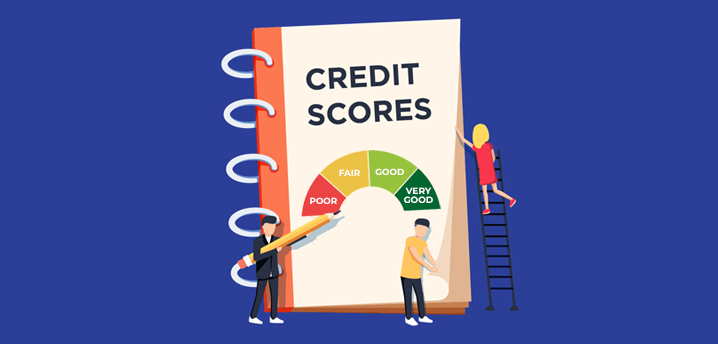
Unexpected drops in your credit score
-
Calls from debt collectors about unknown debts
-
Loan or credit rejections you didn’t expect
Once fraud enters your credit file, it can take months of disputes, paperwork, and stress to repair the damage.
The Importance of Monitoring Your Credit
Monitoring your credit is one of the strongest forms of financial protection. When you regularly review your credit report, you can:
-
Catch errors early
-
Detect fraud quickly
-
Track progress as you improve your score
-
Confirm that payments are being reported correctly
Monitoring does not mean obsessing over your score daily. It simply means checking periodically and staying alert. Many people wait years without reviewing their report—giving errors and fraud plenty of time to grow.
How Late Payments Quietly Destroy Credit
Payment history is the single most important factor in your credit score. Even one late payment can cause serious damage—especially if your credit was previously strong.
Late payments:
-
Lower your score quickly
-
Signal high risk to lenders
-
Remain on your report for years
-
Increase future interest rates
What makes late payments especially dangerous is how easily they happen. A forgotten due date, a bank processing delay, or a temporary cash shortage can undo years of responsible behavior.
This is why automatic payments and reminders are not convenience tools—they are credit protection tools.
How High Balances Harm You Even If You Pay on Time
Many people assume that as long as they pay on time, their credit is safe. That’s not entirely true. High credit card balances—especially when close to your limit—raise your credit utilization, which heavily affects your score.
You can be paying on time every month and still:
-
Appear risky to lenders
-
Lose dozens of credit score points
-
Get denied for new credit
-
Receive higher interest offers
Credit safety is about both payment history and balance management.
Smart Habits That Protect Your Credit Long-Term
Credit protection is not built through big actions—it’s built through consistent habits:
-
Always pay at least the minimum on time
-
Keep balances below 30% of your credit limits
-
Avoid unnecessary credit applications
-
Keep older accounts open when possible
-
Review statements for errors and unfamiliar charges
-
Update billing information when you move or change banks
These habits quietly strengthen your credit profile over time and reduce your exposure to risk.
What to Do If Your Credit Is Already Damaged
If your credit has already taken a hit, the worst mistake you can make is giving up. Credit damage is not permanent, but recovery requires patience, consistency, and education.
Start with:
-
Bringing all accounts current
-
Avoiding new missed payments at all costs
-
Reducing high balances gradually
-
Disputing errors on your credit report
-
Avoiding “quick-fix” credit repair scams
Real credit healing happens slowly but steadily. Every on-time payment and every dollar of reduced debt moves you forward.
Why Credit Protection Is Really About Future Freedom
People often think of credit as something that only matters when they want a loan. In reality, your credit affects:
-
Your cost of living
-
Your insurance rates
-
Your housing options
-
Your emergency flexibility
-
Your long-term opportunities
Strong credit gives you options. Weak credit creates barriers. Credit protection is not about perfection—it’s about giving your future self the freedom to choose.
Final Thoughts
Your credit is a living financial record that follows you for years. It reflects your habits, your awareness, and your level of control. Protecting it doesn’t require wealth—it requires knowledge, attention, and discipline.
When you guard your credit, you guard:
-
Your borrowing power
-
Your financial reputation
-
Your long-term stability
And most importantly, you protect your ability to move forward without being held back by past mistakes or invisible threats.