Your credit score is one of the most important numbers in your financial life, yet many people don’t fully understand what it is or how it works. Whether you’re applying for a credit card, renting an apartment, buying a car, or purchasing a home, your credit score plays a major role in the decisions lenders and financial institutions make about you. Understanding how credit scores work is the first step toward building strong financial health.
What Is a Credit Score?
A credit score is a three-digit number that represents your creditworthiness—how likely you are to repay borrowed money. In most countries, especially the United States, lenders use credit scores to quickly assess the risk of lending to you.
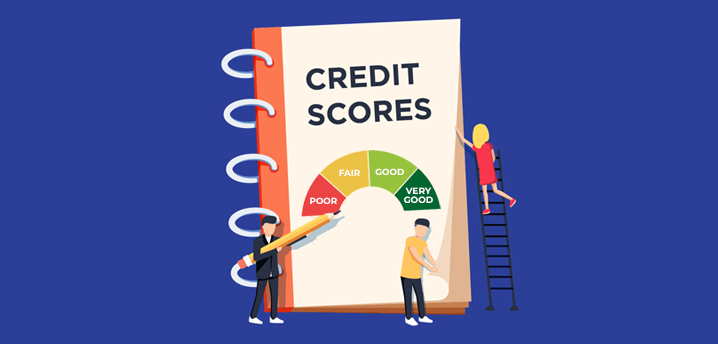
Credit scores are created using information from your credit report, which is a detailed record of your borrowing and repayment history. While there are multiple scoring models, the most widely used one is the FICO Score, which ranges from 300 to 850. In general:
-
300–579: Poor
-
580–669: Fair
-
670–739: Good
-
740–799: Very Good
-
800–850: Excellent
The higher your score, the more trustworthy you appear to lenders.
Why Credit Scores Matter
Your credit score affects many areas of your financial life, often in ways people don’t expect. A strong credit score can help you:
-
Qualify for loans and credit cards more easily
-
Secure lower interest rates
-
Get approved for apartments and rentals
-
Pay lower insurance premiums in some regions
-
Avoid large security deposits for utilities and phone plans
On the other hand, a low credit score can limit your options and cost you thousands of dollars in higher interest payments over time.
What Affects Your Credit Score?
Credit scores are calculated using five main factors. Understanding these gives you direct control over improving your score.
-
Payment History (35%)
This is the most important factor. It tracks whether you pay your bills on time. Late payments, missed payments, and accounts sent to collections can significantly lower your score. -
Credit Utilization (30%)
This measures how much of your available credit you’re using. For example, if you have a $1,000 limit and you carry a $700 balance, your utilization is 70%, which is considered high. Keeping utilization below 30% is ideal. -
Length of Credit History (15%)
This reflects how long you’ve had credit accounts open. Older accounts help your score because they show a longer track record of behavior. -
Credit Mix (10%)
Lenders like to see that you can manage different types of credit, such as credit cards, auto loans, student loans, and mortgages. -
New Credit Inquiries (10%)
Each time you apply for credit, a “hard inquiry” appears on your report. Too many applications in a short time can slightly lower your score.
Common Credit Score Myths
Many people accidentally harm their credit because of misinformation. Here are a few common myths:
-
Checking your own credit hurts your score: False. Checking your own report is a “soft inquiry” and does not affect your score.
-
You must carry a balance to build credit: False. Paying your balance in full each month is better.
-
High income means high credit score: False. Income is not a factor in your credit score at all.
-
Closing credit cards helps your score: Often false. Closing old cards can increase your utilization and shorten your credit history.
How to Start Building or Improving Your Credit
If you’re just starting out or trying to recover from past mistakes, the good news is that credit scores are not permanent—they can always improve with good habits.
Here are some foundational steps:
-
Pay every bill on time: Even one late payment can cause damage.
-
Keep balances low: Aim to use less than 30% of your available credit.
-
Avoid unnecessary applications: Only apply for credit when you truly need it.
-
Monitor your credit report: Regularly check for errors, fraud, or unfamiliar accounts.
-
Be patient and consistent: Credit growth takes time, but steady habits always win.
Why Education About Credit Is Financial Protection
A lack of credit education leads many people into high-interest debt, predatory loans, and long-term financial stress. When you understand how credit works, you’re far less likely to fall into traps like payday loans, excessive interest charges, and unnecessary fees.
Credit is not just about borrowing—it’s about trust, discipline, and long-term planning. Used correctly, it can open doors. Used incorrectly, it can quietly block opportunities for years.
Final Thoughts
Your credit score is a powerful financial tool, not a mystery number you should fear. By learning how it works and treating it with care, you’re building a foundation for safer borrowing, better opportunities, and long-term financial stability.